





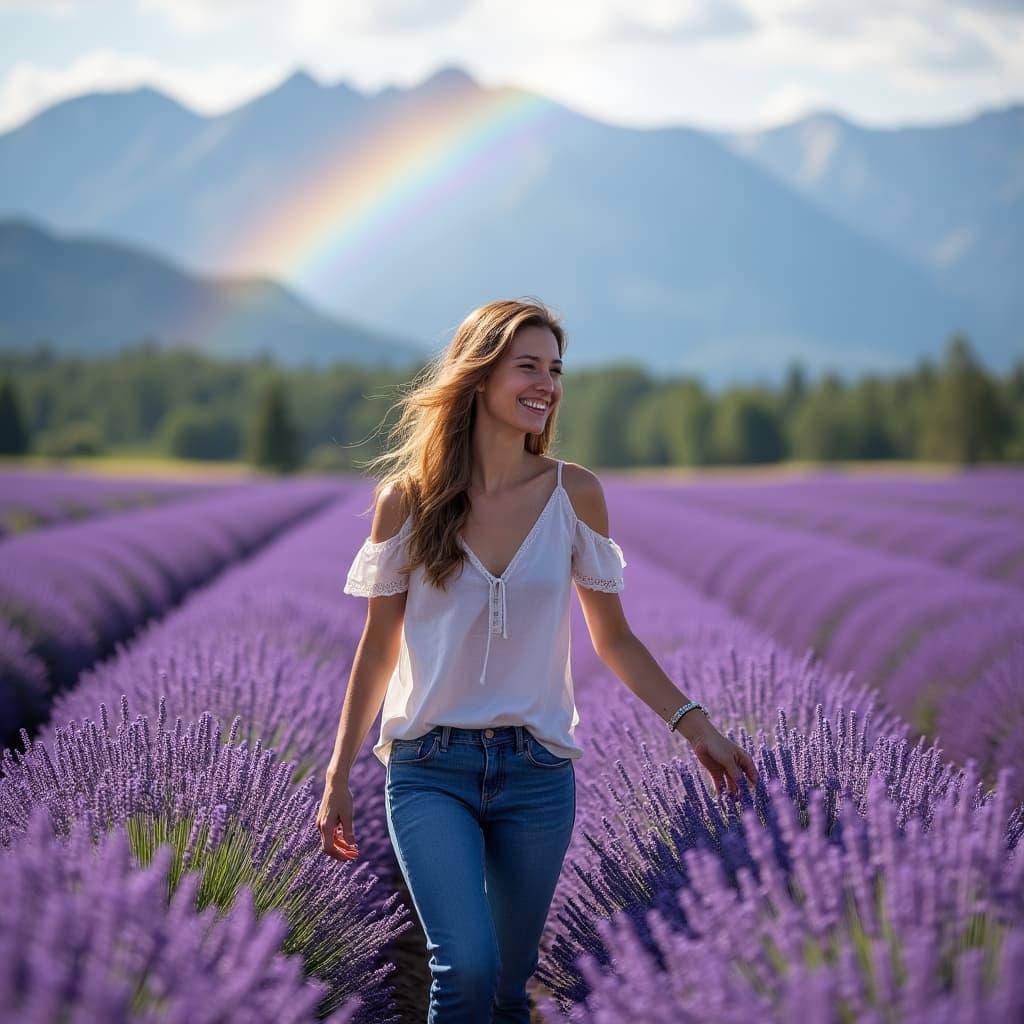
The Power of Scents in Our Lives
Imagine stepping into a house and the aroma of fresh bread instantly transports you back to your childhood. Or perhaps the scent of blooming spring flowers reminds you of your first romantic encounter. This fascinating impact of scents on human psychology forms the foundation of aromachology. In this article, we will embark on a journey into the world of aromachology and fragrance analysis, exploring how scents influence our emotions, feelings, and choices.
What is Aromachology?
Aromachology is the study of how scents affect human behavior and the connection between emotions and fragrances. Aromachologists analyze feelings such as relaxation, excitement, happiness, and well-being, all of which are triggered by olfactory pathways in the brain, particularly the limbic system—the region responsible for emotions and memory. This field was introduced in 1989 by the Sense of Smell Institute and scientifically examines the observed effects of scents on mood and behavior.
Comparing the Sense of Smell with Other Senses :
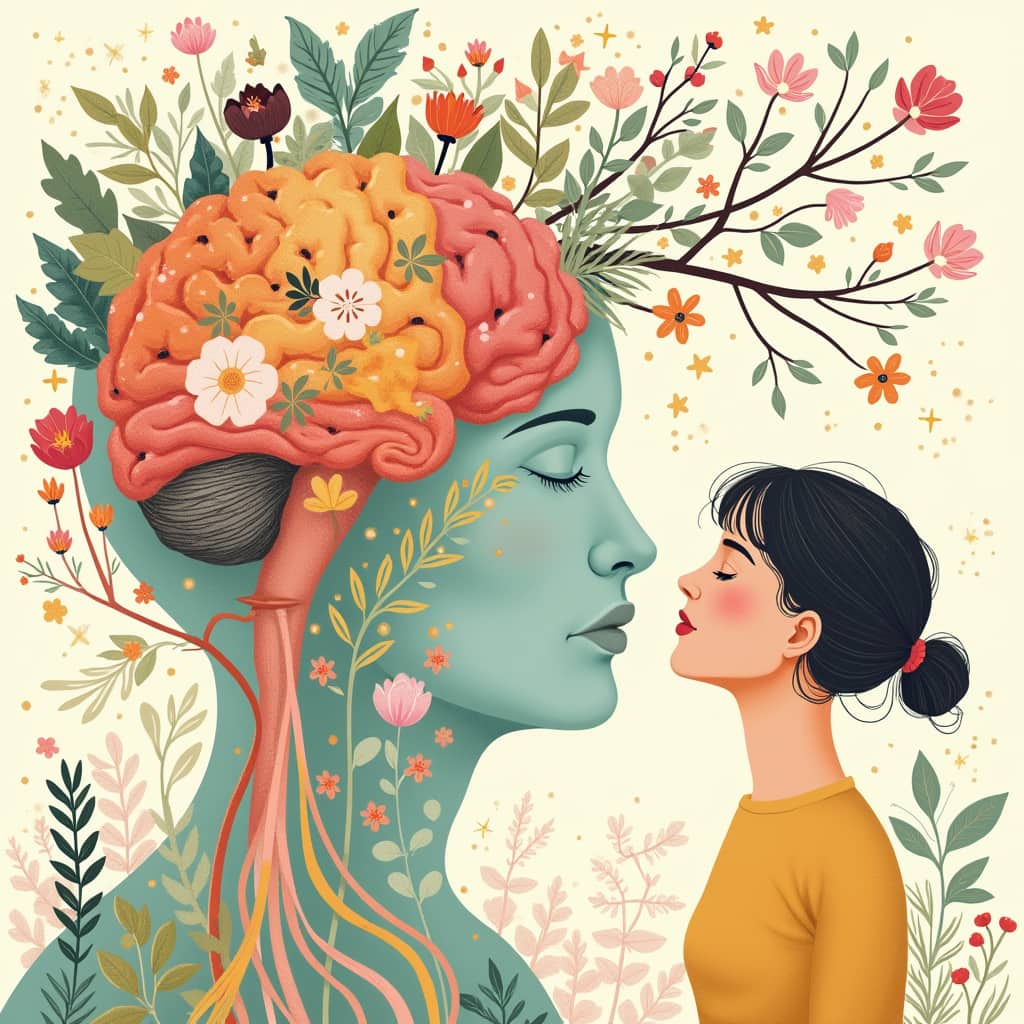
While sight and hearing provide direct and conscious information, smell has a direct pathway to the limbic system, making it uniquely powerful in triggering emotions and memories. Unlike seeing or hearing, which we can actively control or block, smelling is an automatic process, making scents one of the strongest psychological tools influencing human behavior.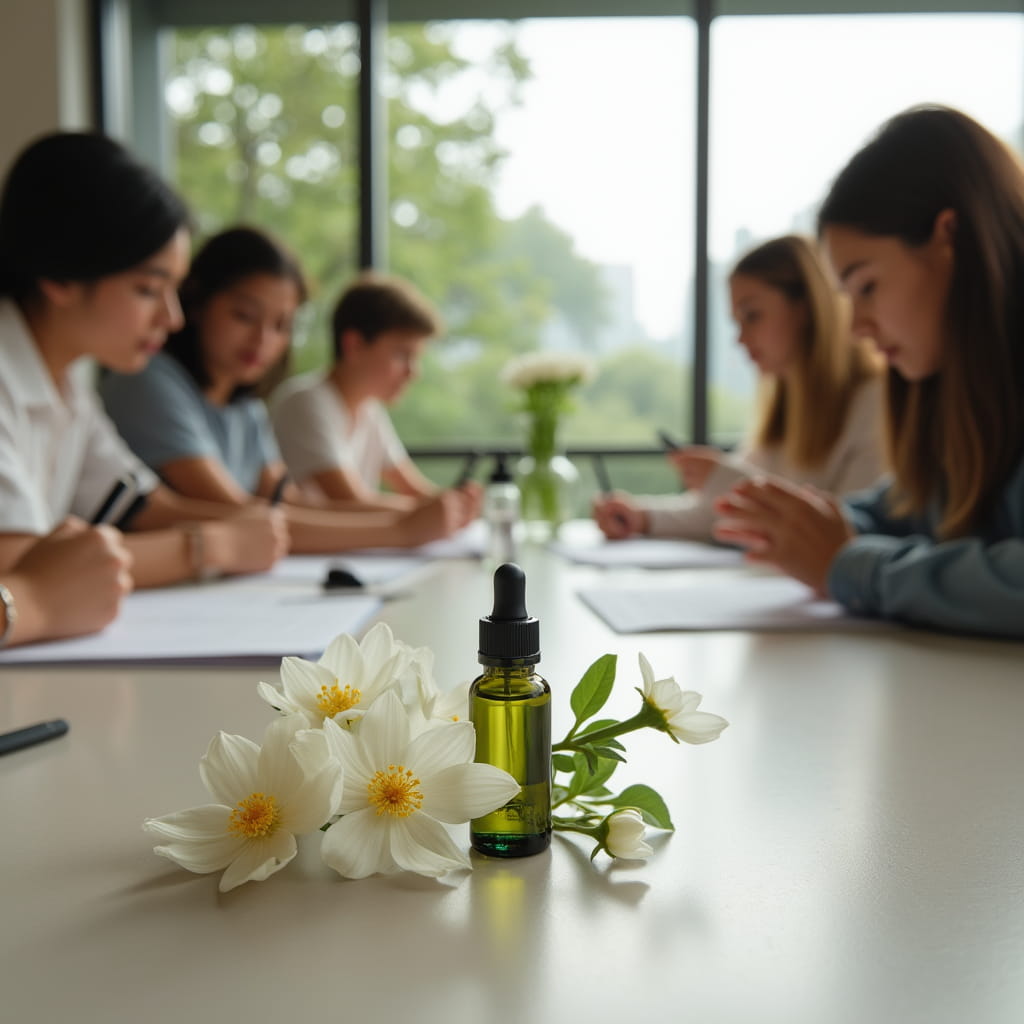
A Story of Scent’s Influence
In a famous study, researchers examined the impact of jasmine fragrance on problem-solving abilities. The results revealed that this scent not only enhanced concentration but also boosted motivation to tackle challenging tasks. This is just one example of how fragrances can shape human behavior and cognitive performance.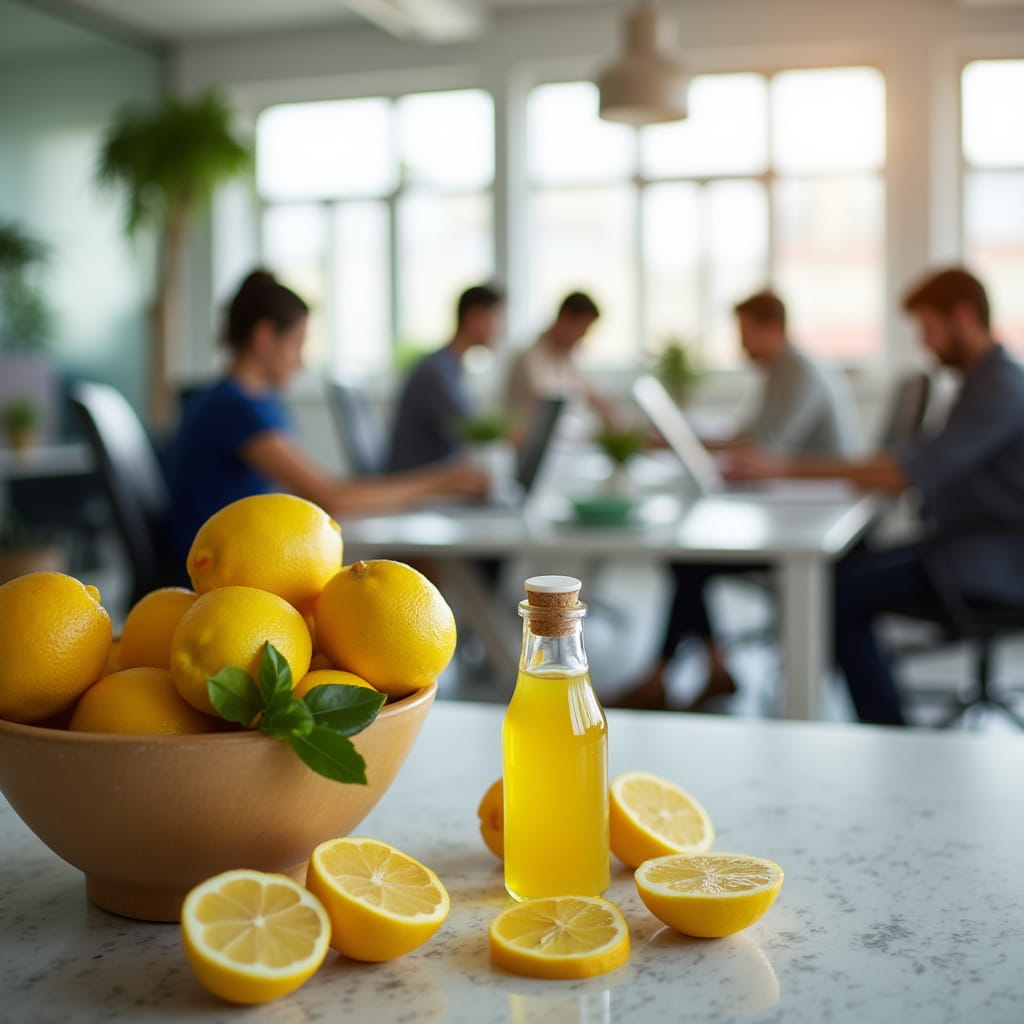
Aromachology vs. Aromatherapy
- Aromachology focuses on the psychological effects of scents on human behavior, using both natural and synthetic fragrances.
- Aromatherapy, on the other hand, revolves around the therapeutic use of essential oils to promote physical and mental well-being.
Although the two fields share similarities, their approaches and objectives differ significantly.
Applications of Aromachology
🔹 Stress & Mood Management
Studies indicate that calming scents like lavender can lower heart rate and blood pressure, while peppermint and bergamot can boost motivation after stressful situations.
🔹 Enhancing Productivity
Using scents like mint or lemon in workplaces can improve focus and cognitive performance, helping employees stay more alert and efficient.
🔹 Personal Perfume Selection
Fragrance specialists craft perfumes tailored to individual memories, emotions, and preferences, making perfume a deeply personal and meaningful experience.
🔹 Commercial Applications
Pleasant scents in retail stores and public spaces encourage customers to stay longer and feel more comfortable. Similarly, home products such as air fresheners and detergents utilize aromachology principles to create a sense of relaxation and cleanliness.
Practical Tips for Using Aromachology
✅ Choosing the Right Scent:
- For stress relief: Lavender or sandalwood.
- For an energy boost: Mint or citrus.
✅ Creating a Relaxing Home Environment:
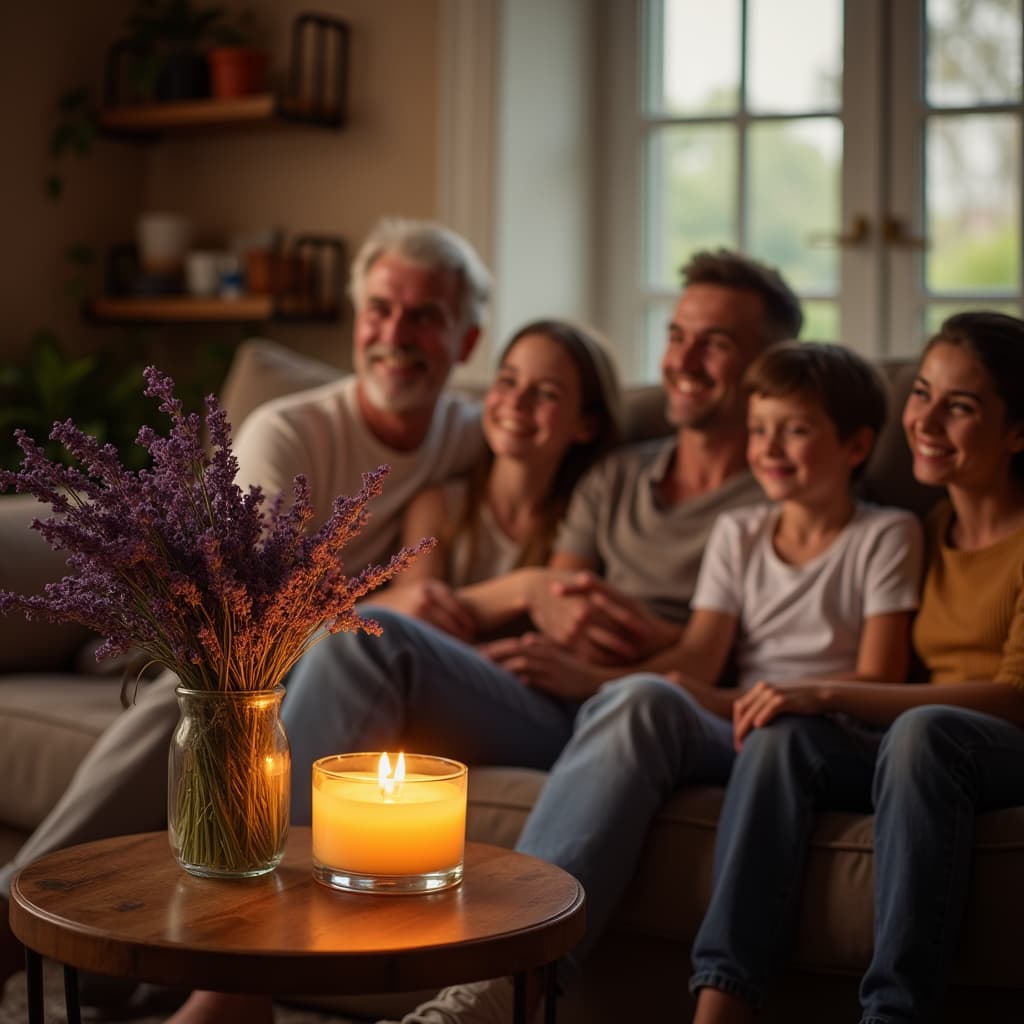
- Use lavender-scented candles or air fresheners for a soothing ambiance.
✅ Experiencing Natural Fragrances:
- Incorporate fresh flowers and aromatic plants for a more authentic and beneficial effect compared to synthetic fragrances.
✅ Experimenting with New Scents:
- Instead of relying on your usual fragrance, explore different scents to find which one best matches your emotions and personality.
Aromachology: The Influence of Scents on Behavior and Emotions
Scents travel through the olfactory pathways to reach the limbic system of the brain, influencing emotions such as:
- Relaxation: Scents like lavender, rose, chamomile, vanilla, and sandalwood can help reduce stress.
- Energy and Focus: Fragrances such as peppermint, eucalyptus, and lemon enhance concentration, motivation, and productivity.
- Memories and Nostalgia: A specific scent can evoke vivid memories of a special moment.
Studies have shown that even artificially designed scents, when crafted well, can have similar effects. This highlights the power of fragrances in bringing about positive behavioral changes.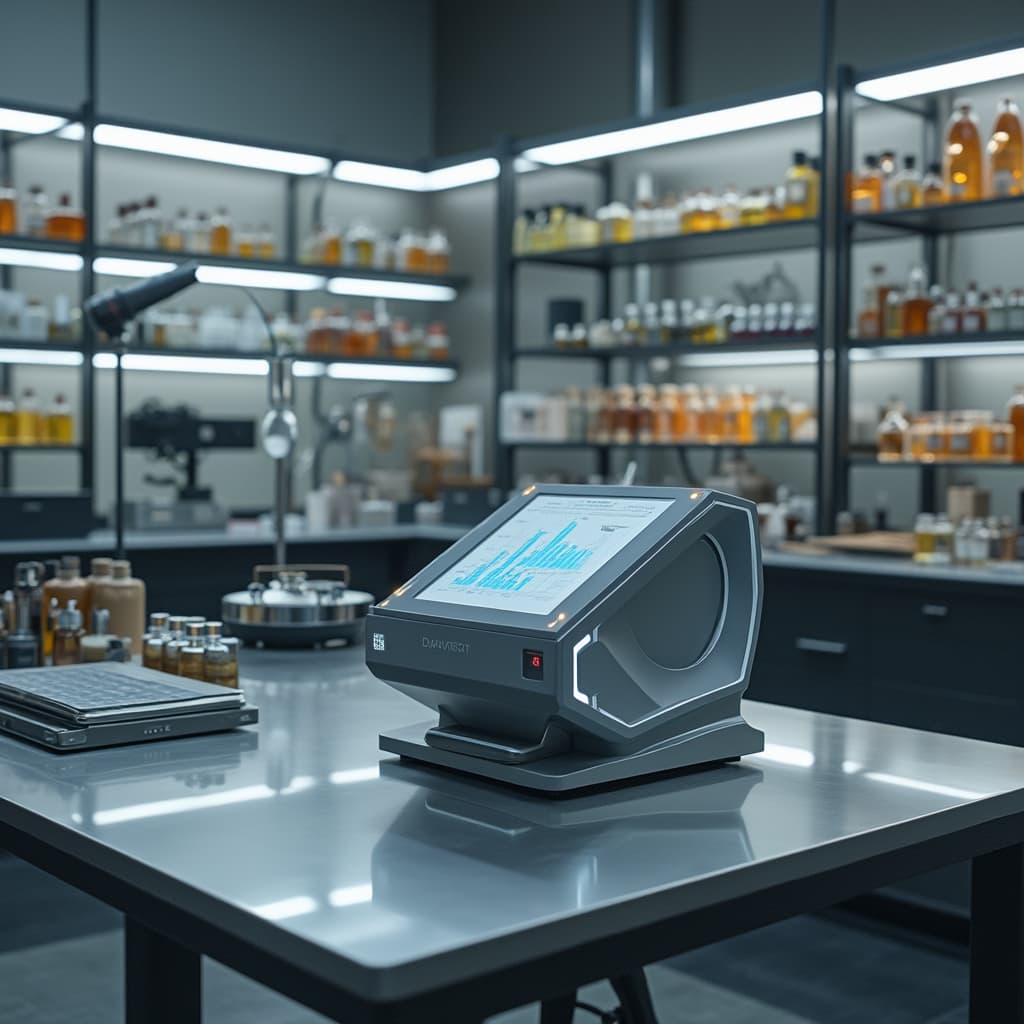
Fascinating Statistics and Scientific Findings in Aromachology
📌 90% of people associate a specific scent with a special memory.
📌 Using lemon fragrance in the workplace can increase employee productivity by 25%.
📌 The scent of vanilla can reduce sugar cravings after meals.
Cultural Differences in Scent Perception
Different cultures have unique interpretations of fragrances. For example:
🌍 In the Middle East, warm and oriental scents like oud and amber are highly favored.
🌎 In Western countries, fresh and citrusy fragrances are often preferred.
These variations emphasize the significance of cultural backgrounds in perfume design and selection.
Latest Research and Technologies in Aromachology
New technologies, such as smart olfactory sensors, are revolutionizing the fragrance industry. These sensors can analyze an individual’s reaction to various scents, leading to the creation of fully personalized perfumes.
Aromachology in Commercial Applications
Renowned cosmetic brands like Shiseido and Décléor incorporate aromachology principles to create products that enhance well-being and happiness. Additionally, retail stores, museums, and public spaces use specific scents to attract customers and create enjoyable experiences.
The Final Question: The Future of Aromachology
Is the future of perfumery in the hands of aromachologists? Could we one day create scents that help treat diseases or enhance brain function? These questions reflect the enormous potential of this science in the coming years.
Conclusion
Aromachology is an innovative and exciting field that helps us better understand the connection between scents, emotions, and human behavior. This science is not only fascinating for everyday consumers but also serves as a valuable resource for fragrance experts. By applying aromachology principles, we can elevate the world of fragrances beyond beauty and luxury, transforming them into a powerful tool for improving quality of life.
✨ How do you use scents to enhance your mood? Share your experiences with us! ✨


